
Why Horses Need Reshoeing Every Six Weeks
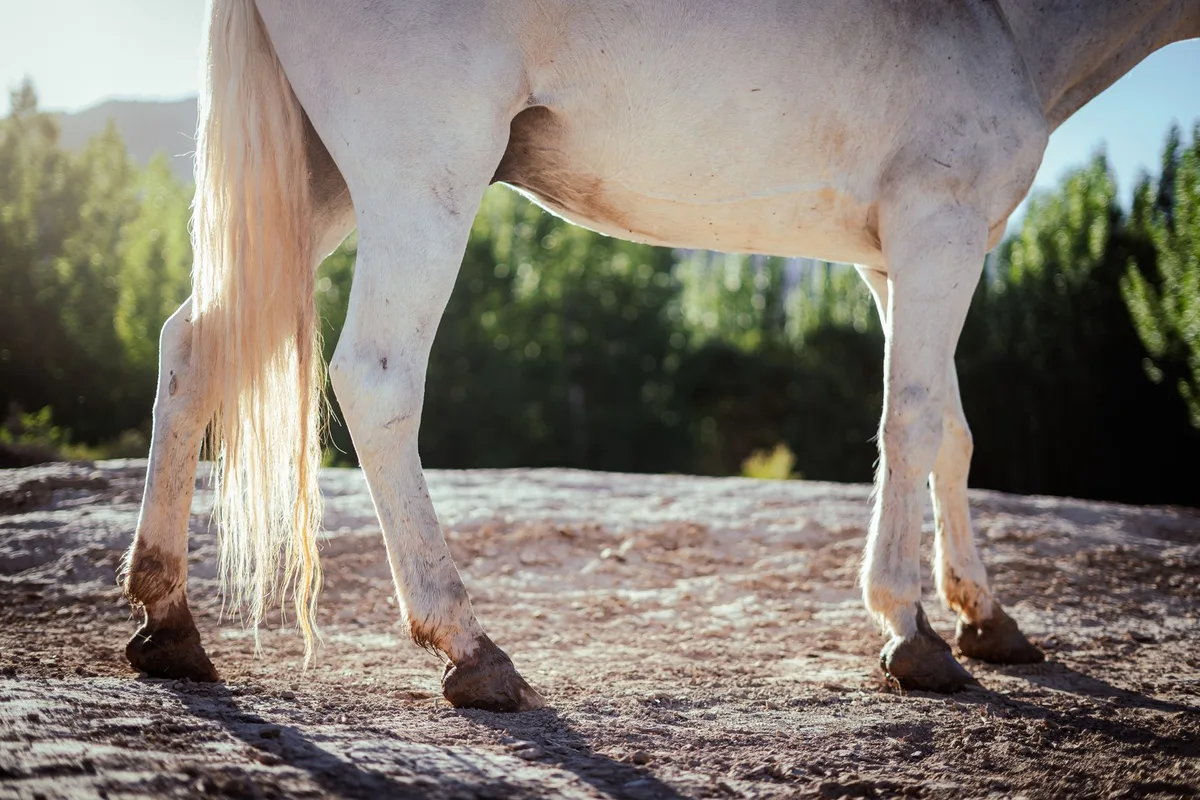
New owners are often surprised the shoe itself is rarely the reason for the six-week visit. The hoof underneath is what actually forces the schedule.
The hoof never stops growing
A horse's hoof wall grows continuously, in the same way a human fingernail does, at roughly a centimetre a month depending on the individual, its diet and the season. Left unchecked, that growth changes the angle of the whole foot and, eventually, the horse's whole way of moving.
A shoe nailed onto a hoof at the correct angle in week one is sitting on a noticeably different-shaped foot by week eight, purely from growth, regardless of how much work the horse has done in between.
What actually goes wrong if the visit is skipped
As the hoof grows past the shoe, the nail holes gradually move further from the ground-bearing edge, weakening how securely the shoe is held on. The shoe itself can start to shift or twist slightly with each step, which puts uneven strain on the leg above it.
In more extreme neglect, the overgrown wall can begin to fold over the edge of the shoe, or the shoe can be gripped and pulled partly off by mud or uneven ground, both of which are far more likely once the fit has drifted this far from correct.
Why six weeks specifically
Six weeks is a practical average, not a fixed biological rule - some horses genuinely need attention every five weeks, others can comfortably run to seven or eight, depending on growth rate, workload and the surface they are worked on. A farrier adjusts the schedule to the individual horse over time.
Foals and horses recovering from certain lameness issues are sometimes seen even more frequently, because rapid correction of a growing foot's shape matters more in those cases than the convenience of a longer gap between visits.

It's a reset, not just a repair
Even when the existing shoe still has plenty of wear left in it, most farriers remove it entirely rather than simply re-nailing it, because the whole point of the visit is re-trimming the hoof back to the correct shape and angle first.
The shoe genuinely comes second. the Farriers Registration Council sets continuing standards around exactly this balance of trim and fit, because getting the trim wrong before the shoe goes back on undoes the value of a perfectly made shoe.