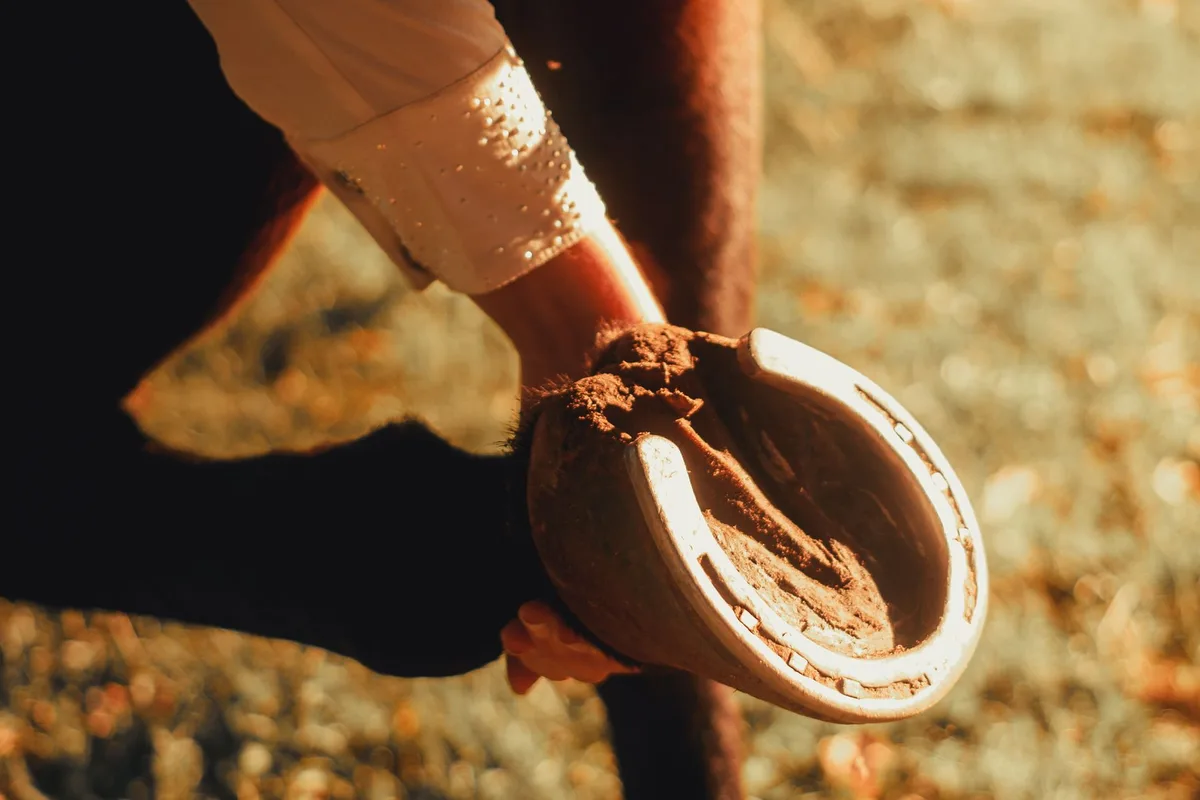
How Someone Actually Becomes a Farrier in the UK
Unlike most trades, it is illegal in the UK to shoe a horse for payment without a specific qualification. That single fact shapes the entire training route.
The law most people don't know exists
The Farriers (Registration) Act 1975 makes it a criminal offence to shoe a horse for reward in the UK without being registered with the Farriers Registration Council, the body Parliament set up specifically to protect horse welfare from unqualified shoeing. This is unusual - very few UK trades have their own dedicated Act of Parliament.
The law exists because bad shoeing is a genuine welfare issue, not a cosmetic one. A poorly fitted shoe can cause lameness that takes months to resolve, so the barrier to entry is deliberately high.
The apprenticeship route
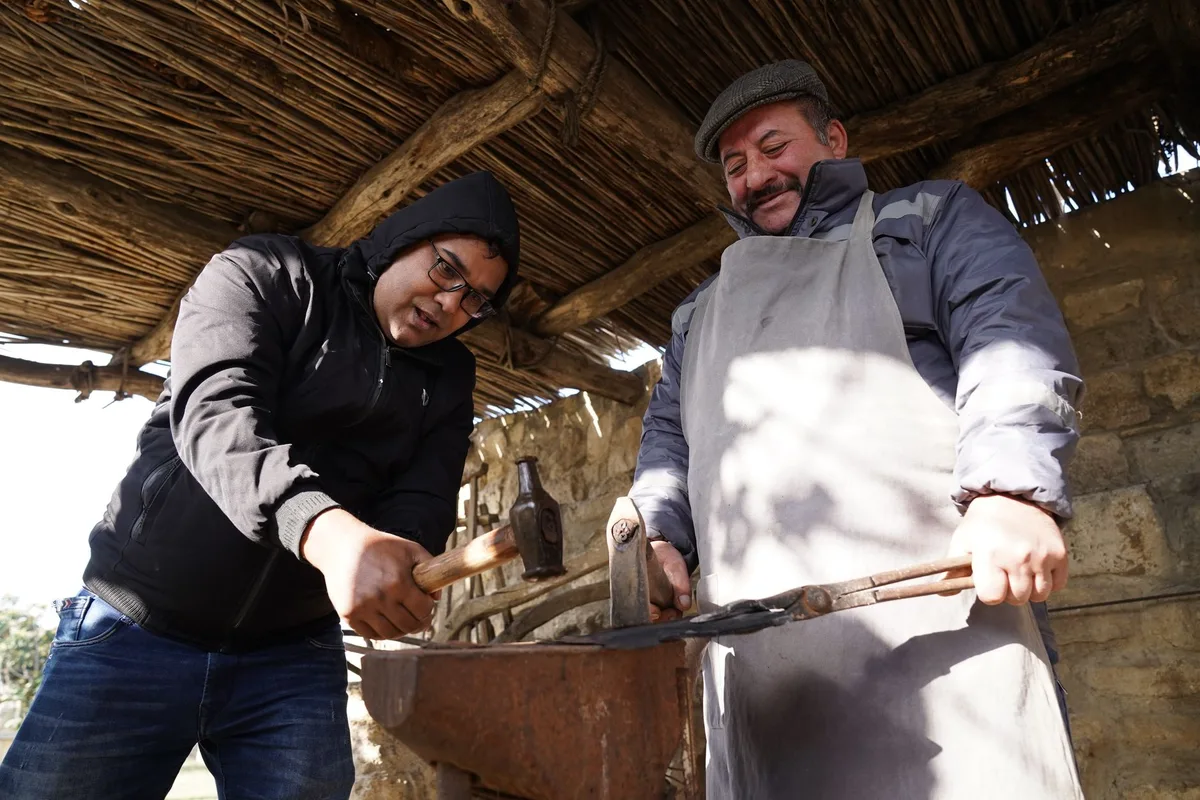
Becoming a registered farrier normally means a four-year apprenticeship, approved by the Farriers Registration Council, combining paid on-the-job training under an Approved Training Farrier with block release at one of a small number of specialist colleges. There is no fast-track version - the four years is a legal minimum, not a guideline.
Apprentices are assessed throughout, culminating in the Diploma in Farriery examination, which includes both practical shoeing under time pressure and a forging test where the candidate has to make a shoe from a straight bar in front of examiners.
What the training actually covers
The course covers far more than hammering hot metal. Apprentices study hoof and limb anatomy, common lameness conditions and how shoeing can help or worsen them, and the business side of running what is very often a one-person mobile operation once qualified.
Anatomy matters more than it might seem from outside. A farrier is regularly the first person to notice early signs of a lameness problem, well before it becomes obvious to an owner, simply because they handle every foot on the yard every six weeks.
Life after qualifying
Most newly qualified farriers work for themselves from day one, running a round of regular clients from a van fitted out as a mobile forge, rather than joining an established practice. Reputation and referral matter enormously in a trade with no shopfront and no advertising in the traditional sense.
Continuing education does not stop at qualification. the British Farriers and Blacksmiths Association and similar bodies run ongoing courses, because techniques, materials and veterinary understanding of the hoof keep moving even after someone has been doing this for twenty years.