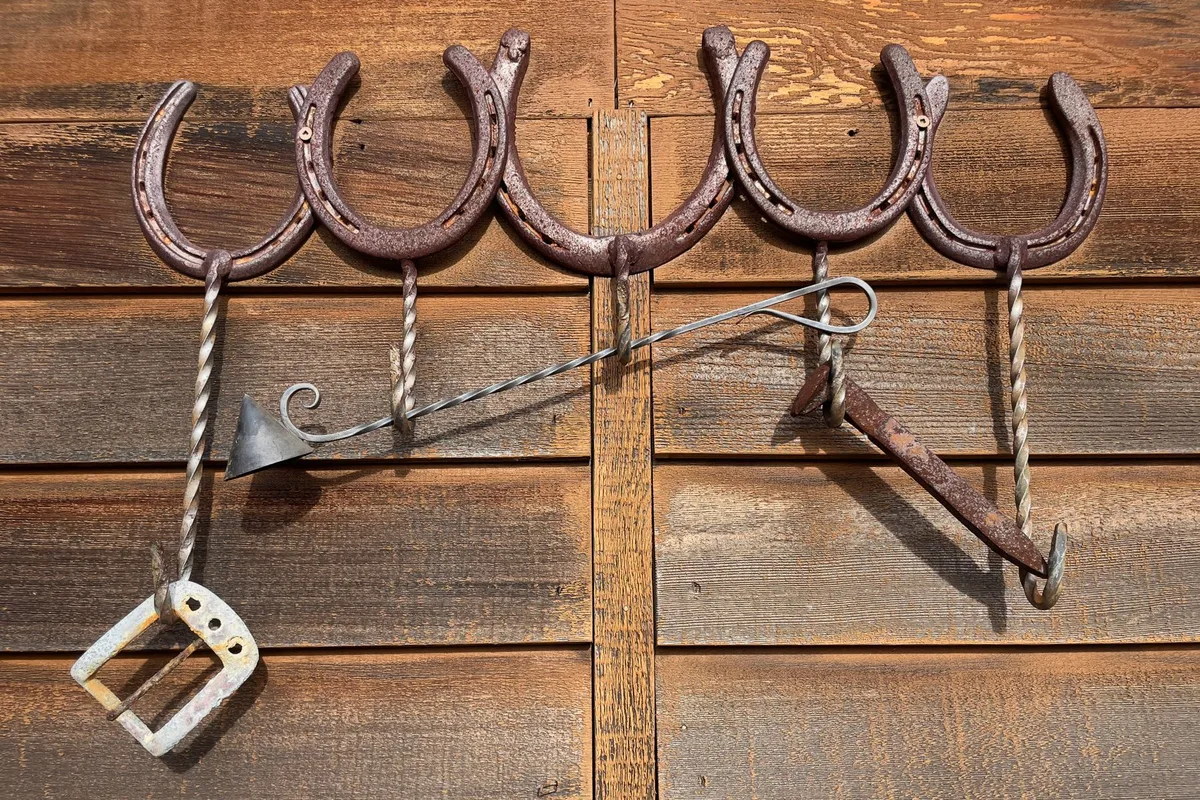
The History of the Horseshoe: Older Than You'd Think
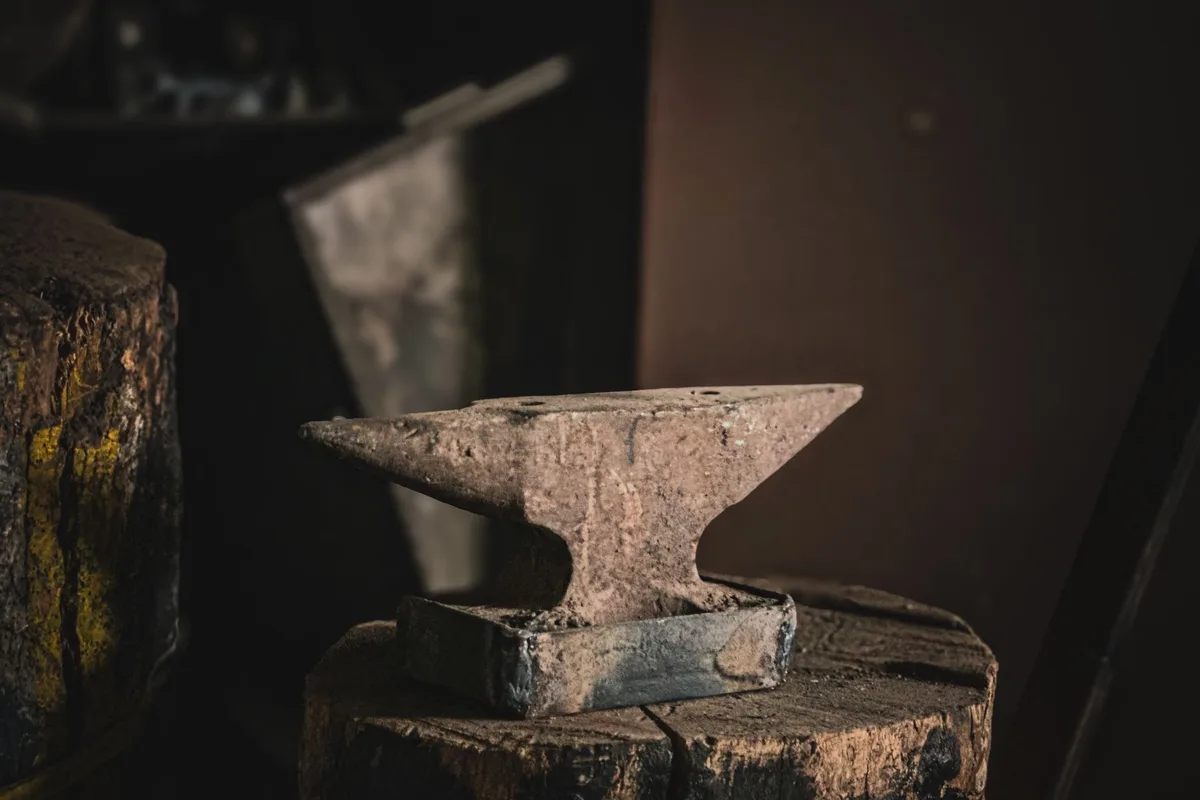
The nailed metal horseshoe as we know it is roughly a thousand years old, but the problem it solves is much older, and the solutions before it were stranger than you'd expect.
The problem existed long before the answer
Domesticated horses have been ridden and worked for around five and a half thousand years, but their hooves evolved for open steppe, not for the wet fields, paved roads and heavy loads that came with agriculture and cities. Hoof wear and cracking was a real, limiting problem for as long as horses were put to serious work.
Roman writers describe a temporary solution called the hipposandal, a metal boot-like device strapped onto the hoof for particularly hard ground or long journeys, then removed afterwards - closer to a removable overshoe than anything nailed permanently in place.
When nailing actually began
The nailed iron horseshoe most historians place at somewhere around the 9th or 10th century in Europe, though exact dating is genuinely difficult because iron corrodes and does not survive archaeologically as well as harder materials. What is clear is that by the medieval period it was widespread and considered essential.
The shift mattered enormously for cavalry, for heavy draught work, and eventually for the sheer scale of road-based trade and travel that medieval Europe depended on. A horse that could work reliably on hard, wet roads without foot damage was a genuinely different economic asset.
Farriery as a formal trade
As shoeing became essential rather than occasional, it split away from general blacksmithing into its own specialist trade, with its own guilds. the Worshipful Company of Farriers in London traces its own origins back to exactly this period, formally chartered in the 1350s, making it one of the older livery companies in the City.
The guild structure mattered because shoeing badly done was a recognised source of real economic loss - a lamed cavalry or draught horse was expensive - so quality control around the trade existed centuries before any modern licensing law.
Why the shape has barely changed
A horseshoe made today would be instantly recognisable to a farrier from five hundred years ago, because the underlying problem - protecting a load-bearing hoof edge without restricting the foot's natural flex - has not changed, and the curved, nailed shape is still the most direct solution to it.
Materials, tools and the fine detail of technique have moved on considerably, particularly with modern steel alloys and gas forges, but the basic silhouette that ends up on a doorway for luck is functionally the same object a medieval farrier would have made.