
Turning Old Shoes into Something New: The Basics of Repurposing Iron
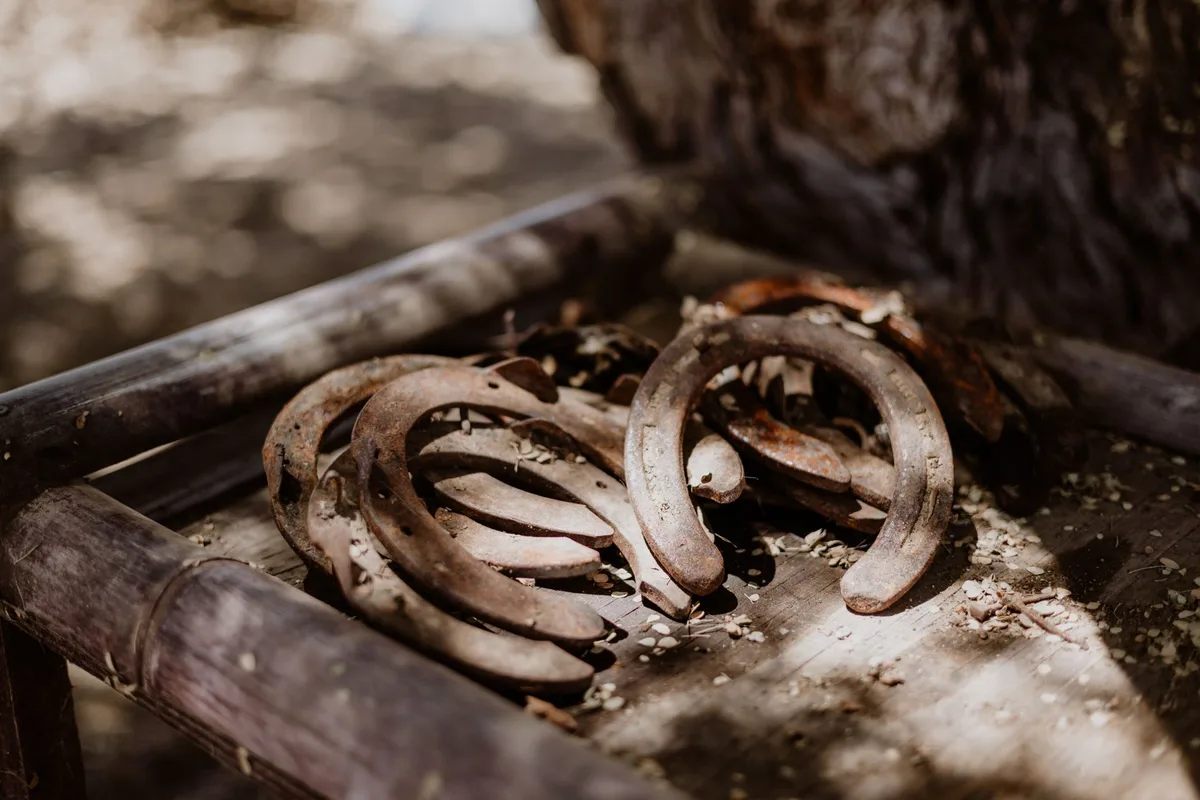
A working yard produces a steady pile of removed shoes that most people simply throw away. A surprising amount of it is worth keeping.
Why so many shoes get thrown away
A horse in regular work is reshod roughly every six weeks, whether the old shoe is worn through or not, because the hoof itself keeps growing and needs re-trimming regardless of the shoe's condition. That means a single horse can go through eight or nine sets of shoes a year, most of which still have plenty of usable steel in them.
Farriers and yards end up with buckets of the things, and unless someone specifically asks to keep them, they go into scrap metal collection along with everything else.
What makes a shoe worth keeping rather than scrapping
A shoe that came off a horse you know, especially one that has since died, retired or moved on, carries a completely different kind of value than a random shoe bought new for the purpose. The wear pattern, the nail holes, even the slight asymmetry from that particular hoof, are specific to one animal.
From a purely practical standpoint, shoes with less pitting and rust clean up better and hold detail more clearly if they are going to be reworked into anything decorative, so a recently removed shoe is easier to work with than one that has sat in a barn for years.
Cleaning up a shoe before working with it
Wire-brushing removes surface rust and loose dirt without changing the shoe's shape or wear marks, which matters if the whole point is keeping something that looks like it actually did its job. Harsher methods like grinding or sandblasting take more off and start to erase exactly the character that makes a used shoe different from a new one.
A light coat of clear lacquer or wax afterwards stops fresh rust forming without hiding the surface underneath, which is usually the better choice for anything meant to be handled or displayed rather than left outdoors.
What people actually do with them
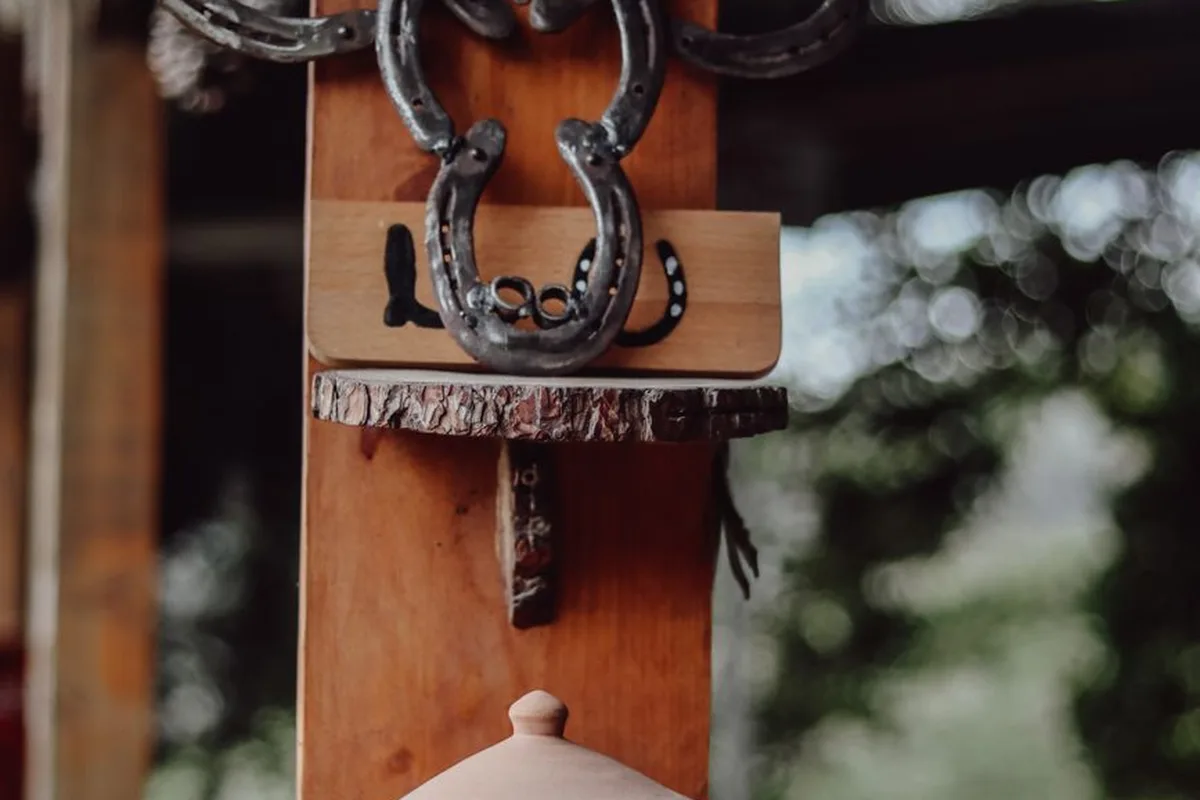
The traditional use is nailing one above a doorway, and that has never really stopped - it is still the most common request from clients who simply want a keepsake from their own horse's foot rather than a shop-bought decoration. Beyond that, shoes get bent, cut and welded into hooks, bottle openers, garden ornaments and outdoor drinks holders, all of which keep the recognisable shape rather than melting the material down completely.
The other end of the scale is jewellery - a shoe cut down, polished and set as a pendant is a much smaller and more deliberate piece of work than a hook or a hanger, and it is where the material stops being scrap and starts being something closer to keepsake craft.