
How a Horseshoe Is Actually Made
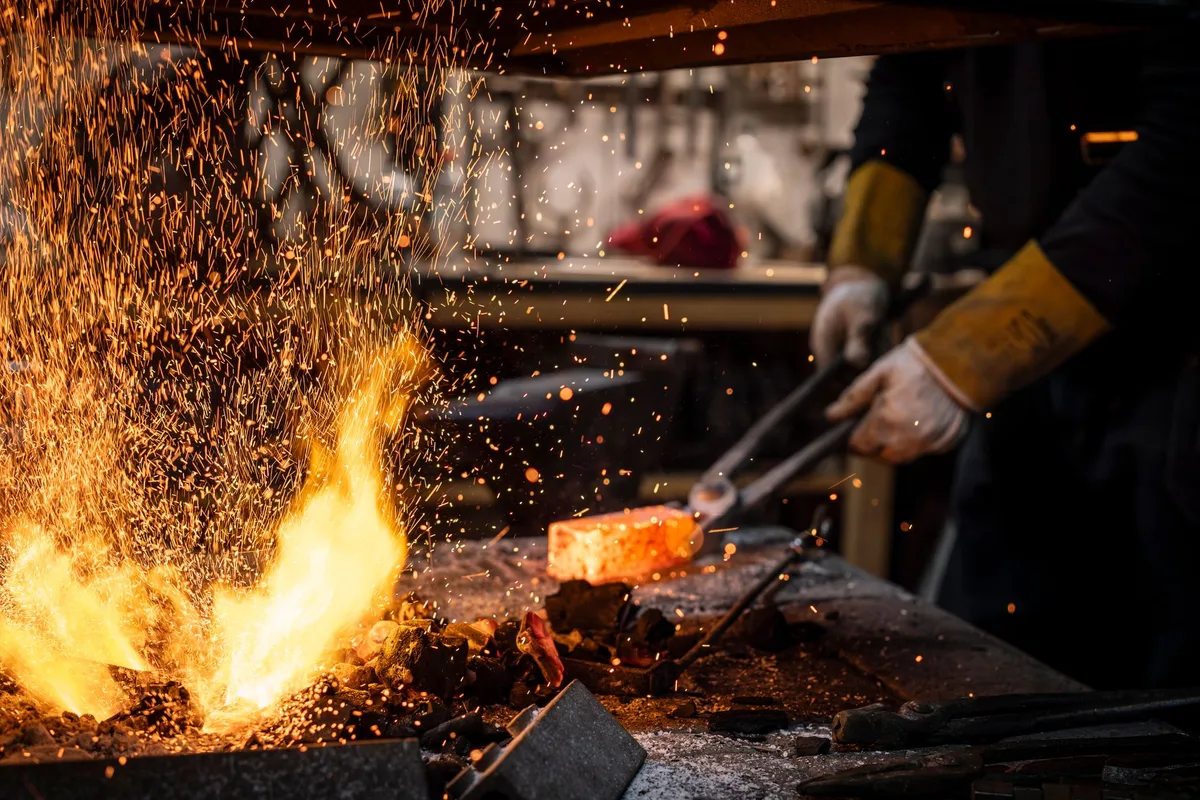
Most people have seen a horseshoe. Almost nobody has seen the twenty minutes of hammering, heating and fitting that turns a straight bar of steel into one.
It starts as a straight bar, not a curve
A new shoe begins life as a length of flat steel bar stock, usually mild steel or a steel alloy chosen for how it responds to heat rather than for raw strength. Nothing about it looks like a horseshoe. The farrier heats a section of the bar in the forge until it glows somewhere between bright orange and yellow, hot enough to move under the hammer without cracking.
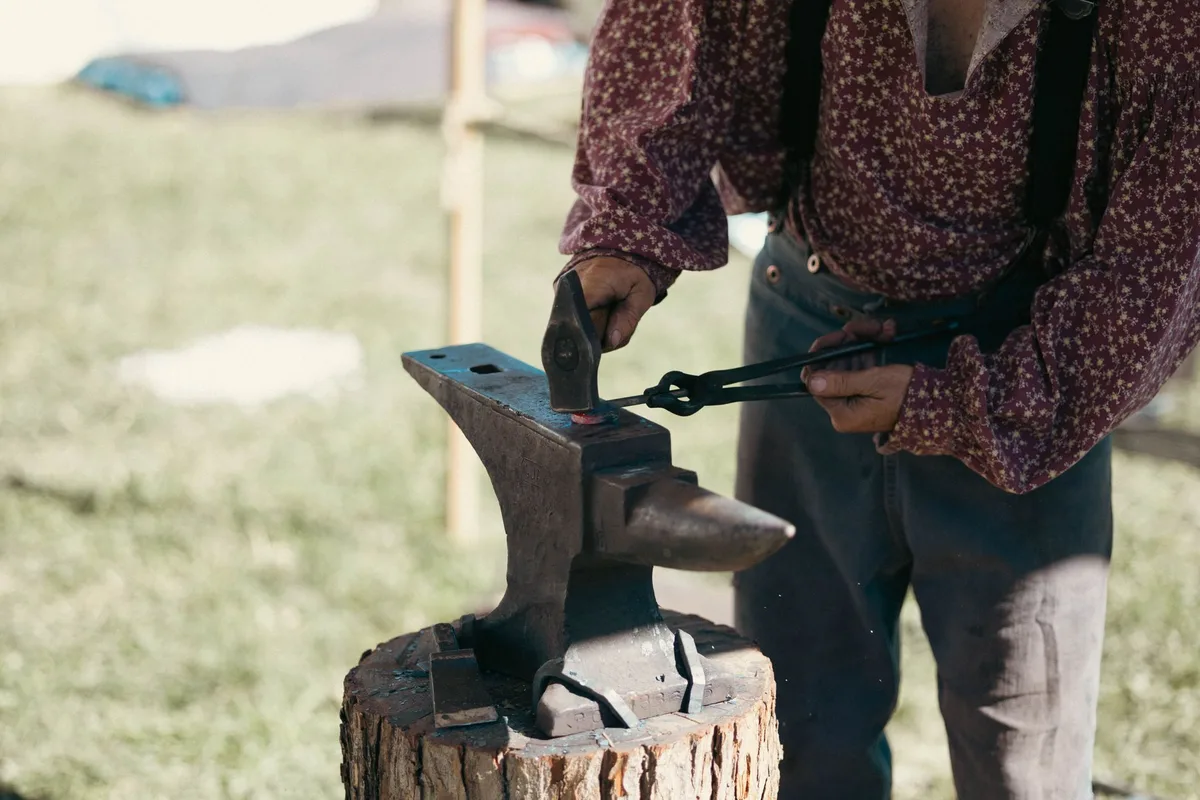
The curve comes from turning the hot bar around the horn of the anvil, a rounded projection built for exactly this, while striking it with a hammer to draw the shape out evenly. It takes a practised eye to keep both branches of the shoe the same length and the same width, because a shoe that is slightly lopsided will not sit correctly on the foot no matter how well everything else is done.
Fitting hot, not fitting cold
Once the rough shape is right, the shoe goes back to the horse while it is still hot, held against the trimmed hoof wall for a second or two at a time. This is hot fitting, and it is not for show - the scorch mark it leaves shows exactly where the shoe is and is not making contact, which a cold shoe simply cannot tell you.
A shoe that scorches evenly all the way round is seated correctly. One that scorches heavily on one side and barely at all on the other needs more work before it goes anywhere near a nail, because a poor fit at this stage becomes a lameness problem weeks later.
Nail holes are punched, not drilled
The nail holes are punched through the hot steel with a tool called a stamp, not drilled, because punching pushes the metal outward around the hole and creates a small crease that a hand-forged nail head seats into. Drilled holes leave a clean cylindrical gap that a nail simply drops through, which is part of why factory-made shoes and hand-forged ones behave differently under a hammer.
The number and spacing of the holes depends on the size of the foot and the job the horse does. A shoe for a horse doing slow, careful work on soft ground can carry fewer nails than one that will be ridden fast on a hard surface, because the forces trying to pull the shoe off are completely different.
Cooling and finishing
Once the shape and fit are right, the shoe is quenched in water, which hardens the steel and stops the shaping process at exactly the right moment. Quench it too early and the shoe is still soft and will distort under the horse's weight. Quench it too late, after too much hammering at a lower heat, and the steel can become brittle.
The last stage is finishing the edges so nothing snags or cuts, and this is the part that separates a shoe made for a quick job from one made with real care. the Worshipful Company of Farriers sets out the training standard a working farrier has to meet before any of this is done unsupervised in the UK.