
Hot Shoeing vs Cold Shoeing: What the Difference Really Is
The two terms get used as if one is obviously better than the other. What they actually describe is two different ways of solving the same problem, and each has its place.
What each term actually means
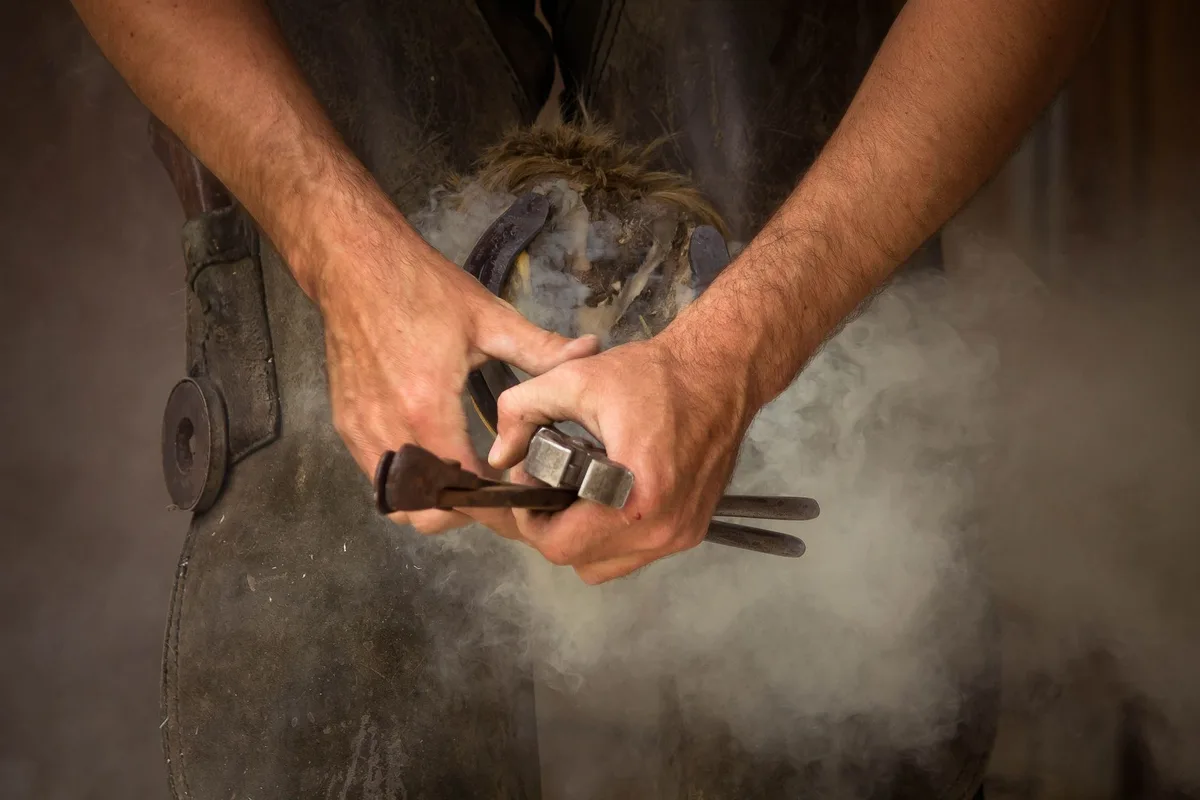
Hot shoeing means the shoe is heated and briefly pressed against the trimmed hoof to check the fit before it is nailed on, leaving a light scorch mark that shows exactly where contact is made. Cold shoeing means the shoe is shaped and fitted at room temperature, with the farrier checking the fit by eye and by hand rather than by scorch.
Neither one is a shortcut version of the other. Cold-fitted shoes can be made just as carefully; the farrier simply relies on measurement and experience instead of the scorch as the final check.
Why hot fitting became the trade standard
The scorch mark from hot fitting is genuinely useful information, not a formality. An even scorch across the whole bearing surface means the shoe is making full, level contact with the hoof wall. A patchy scorch shows exactly which part of the shoe needs more adjustment before it goes on properly.
It also lets the farrier make small corrections to the shape on the spot, since the steel is still workable while it is hot. A shoe that needs a fraction more curve on one side can be put straight back on the anvil rather than removed from the horse and started again.
Why cold shoeing still happens
Portable forges and gas furnaces have made hot fitting practical almost anywhere, but there are still situations where cold shoeing makes more sense - a horse that reacts badly to the process, a very quick routine reset with no significant change needed, or work done with pre-shaped factory shoes that only need minor cold adjustment.
Racehorse yards in particular sometimes prefer cold-fitted, lightweight aluminium racing plates, which are not suited to the same heat as a steel work shoe and are shaped cold as standard.
What actually matters for the horse
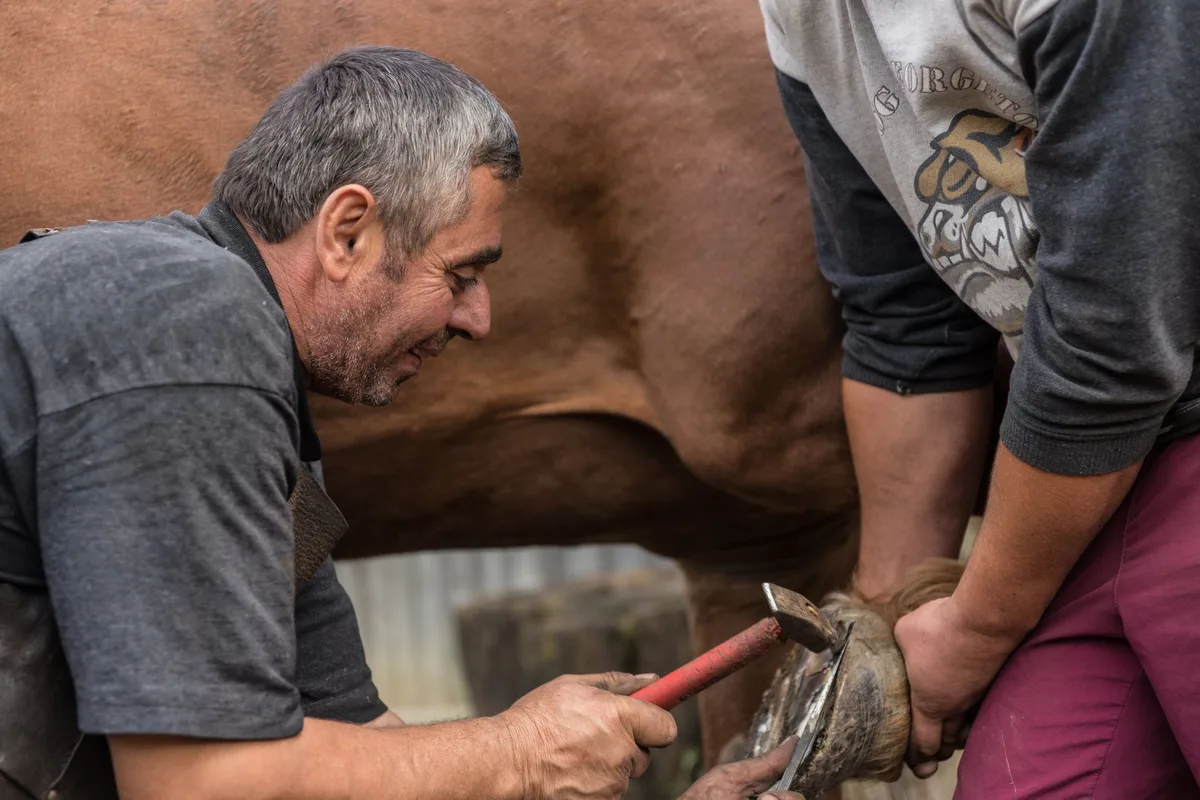
The horse cannot feel the heat of the shoe itself during hot fitting - the hoof wall has no nerve endings, in the same way a fingernail does not - so the process itself causes no pain when done correctly. What matters to the horse is the accuracy of the final fit, not which method got there.
A well-fitted cold shoe beats a badly hot-fitted one every time. The method is a tool the farrier chooses; the standard that matters is the one set by bodies like the Farriers Registration Council, which governs how farriers are trained and registered in the UK regardless of which technique they favour.